What Is TheJavaSea.me Leaks AIO-416? Complete Explanation
+
Table of Contents
- 1 What is TheJavaSea.me Leaks AIO-416?
- 1.1 How Can It Affect Your System?
- 1.2 How Can Your Credentials Get Leaked?
- 1.3 Differences Between AIO Leaks and Single Source Leaks
- 1.4 Why Is TheJavaSea.me Leaks AIO-416 Important to Know About?
- 2 Expert Tips for Keeping Your System Safe
- 2.1 Password Manager
- 2.2 Audit Your Smart Devices
- 2.3 Enable Two-Factor Authentication (2FA)
- 2.4 Update Your Router Firmware
- 2.5 Use Separate Wi-Fi Networks
- 3 Conclusion
For some time, I have been noticing that the term “TheJavaSea.me Leaks AIO-416” has been rapidly trending in online searches. So, I thought I should research it in detail and share the information with you as well.
Basically, this entire topic is related to cybersecurity. As you already know, cyber risks are among the biggest threats in today’s digital world. Everyone faces the danger of cyber attacks and tries their best to stay protected from them.
I have done detailed research on this topic, and now I am going to explain what “TheJavaSea.me Leaks AIO-416” actually is.
What is TheJavaSea.me Leaks AIO-416?
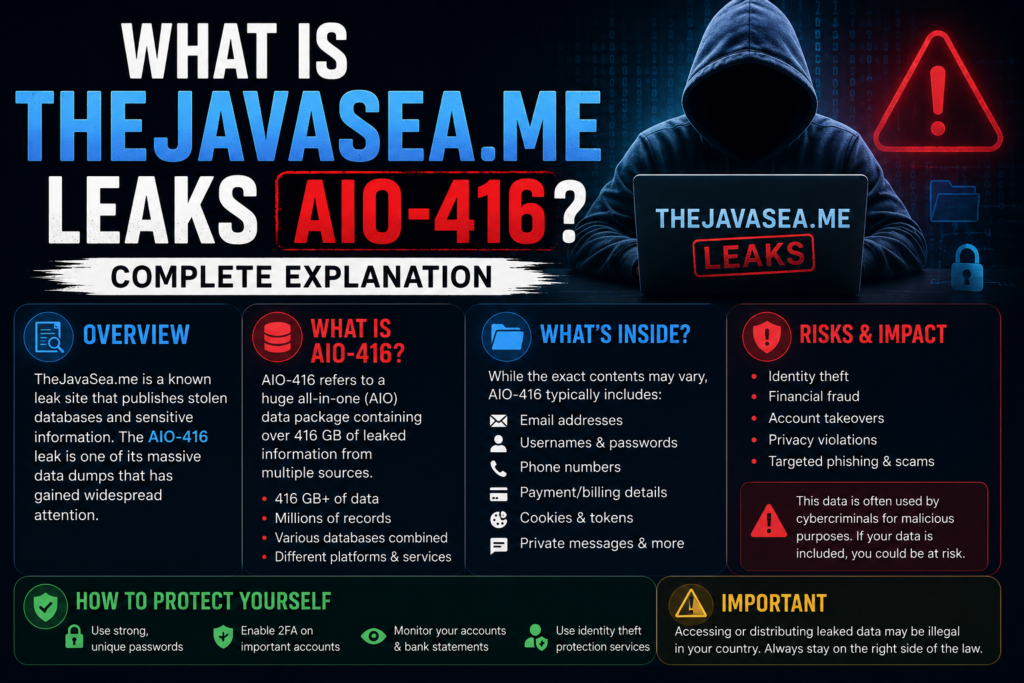
Basically, TheJavaSea.me is a website that is known online for leaked files and exposed data. This website reportedly publishes data that has been hacked or stolen from different sources around the world. In most cases, this data is obtained illegally by hackers and then released publicly without authorization.
AIO stands for “All-In-One.” It usually refers to a collection or community that illegally shares and uses multiple files together.
The term “416” may refer to a specific cyber incident. It could be linked to a particular cyber attack in which sensitive information was leaked and later made public.
Many people are searching for this topic to understand how this leak happened and how they can protect their personal data in the future.
Nowadays, hackers are using different methods to steal files and sensitive information. In some cases, they can even access personal details stored on laptops or devices, including financial information such as credit card details. This stolen information is often used illegally for financial fraud and cybercrime.
How Can It Affect Your System?
It can seriously affect your system if proper security measures are not taken. Modern hackers have become very advanced, and they can sometimes hack private data quite easily. That is why you should always stay prepared and aware of cybersecurity risks. In my opinion, with a little knowledge and some preventive measures, you can greatly reduce the chances of becoming a victim of cyber attacks.
One of the most important steps is to use a strong password on your systems and online accounts. A strong password makes it much harder for hackers to gain access to your device or personal information. You should also change your passwords regularly because passwords that remain unchanged for a long time are often easier for hackers to crack.
In addition, avoid entering your credit card details on newly created or suspicious online stores. Some fake websites are specifically designed by hackers to steal financial information such as credit card details. Always make sure that the website you are purchasing from is authentic and trustworthy.
Hackers can target both mobile devices and laptops, so it is important to take security precautions on all your devices.
You should also avoid opening suspicious emails or unknown attachments. Many harmful files are spread through phishing emails, and once opened, they can infect or hack your entire system. In some cases, your personal data may then be stolen and accessed by cybercriminals.
How Can Your Credentials Get Leaked?
Understanding the hackers’ process is very important. You may wonder how your credentials can get leaked and how you can protect yourself from it.
For example, suppose you created an account on a website using your personal email address and password. If that website gets hacked, hackers may steal the passwords and account details of all users from its database.
Now, if you used the same email and password combination on your personal system or other online accounts, it becomes very easy for hackers to use those stolen credentials to gain access to your accounts and devices. Through this method, they can steal your personal data and sensitive information.
The stolen information is often added to large leak collections or AIO (All-In-One) datasets. Cybercriminals then illegally sell or share this data online. This process is commonly known as credential stuffing.
However, you can protect yourself with a little awareness and smart security practices. If you use different passwords and different email combinations for different platforms, it becomes much harder for hackers to access your systems and accounts.
That is why taking preventive measures is extremely important. With a little cybersecurity knowledge and careful online behavior, you can greatly reduce the risk of becoming a victim of credential leaks and cyberattacks.
Differences Between AIO Leaks and Single Source Leaks
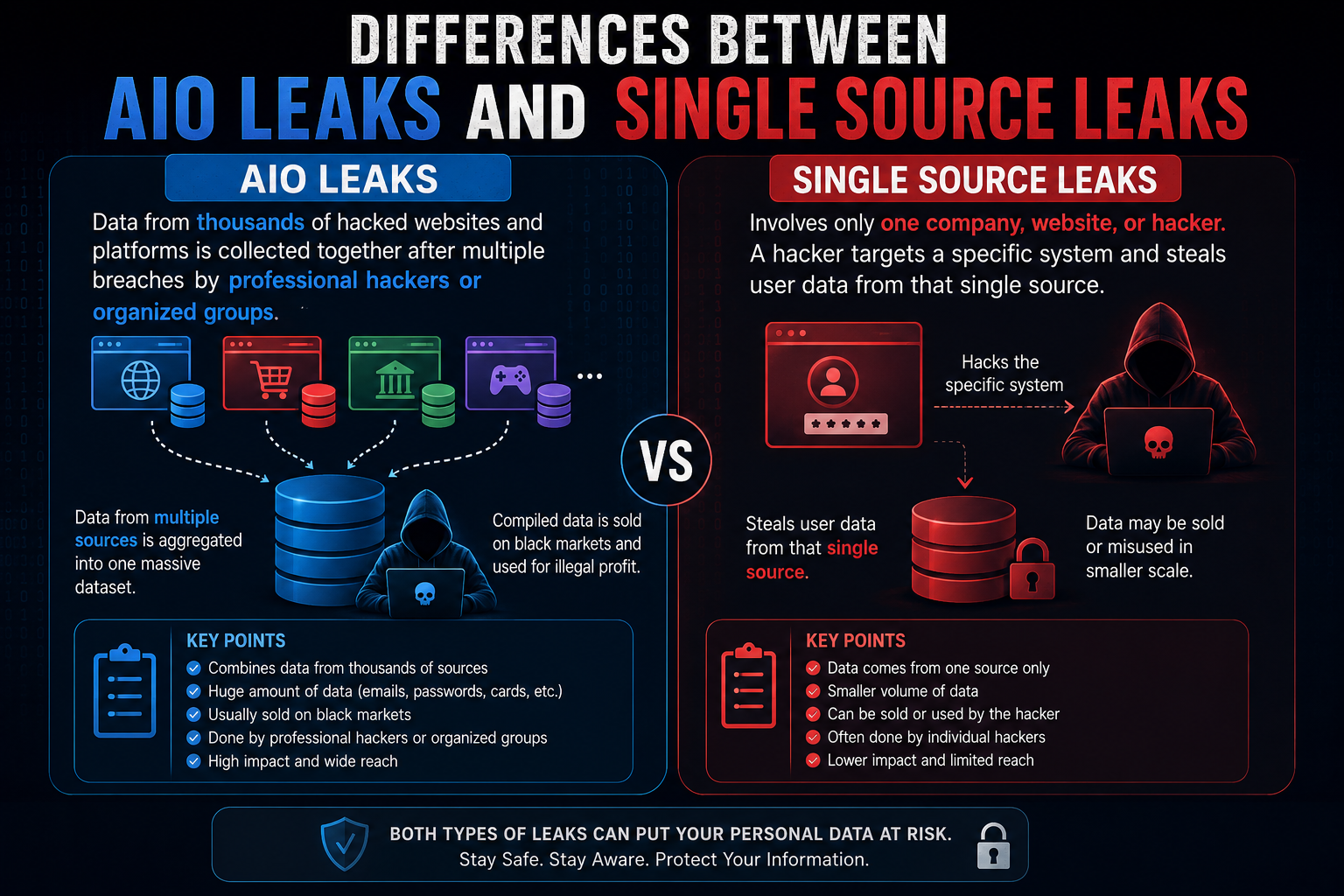
There is a basic difference between an AIO leak and a single-source leak. In an AIO leak, data from thousands of hacked websites and platforms is collected together after multiple breaches. These activities are usually carried out by professional hackers who work in groups or organized communities.
They gather stolen emails, passwords, and other sensitive information from different sources and compile everything into one large dataset. After compiling the data, they often sell it on black markets and earn money illegally.
On the other hand, a single-source leak usually involves only one company, website, or hacker. In this case, a hacker targets a specific system, hacks it, and steals user data from that single source. Commonly, this can involve stealing information from social media accounts or through phishing links and fake forms designed to trick users into sharing their personal information.
Why Is TheJavaSea.me Leaks AIO-416 Important to Know About?
In my opinion, it is very important for everyone to have knowledge about this topic. Once you understand how these leaks and cyber threats work, you can better protect yourself from falling into hackers’ traps.
AIO is basically associated with groups of hackers or networks of websites that operate to steal people’s personal identities and sensitive information. They collect stolen data from different sources, combine it into large datasets, and then use it illegally. In some cases, this stolen information may even be used for blackmail or other cybercrimes.
If you are aware of these threats, you will naturally take preventive measures to protect yourself. Imagine if years of your hard work and personal information were leaked within just a few minutes — it could cause serious problems. That is why cybersecurity awareness is extremely important.
When shopping online, always choose authentic and trusted e-commerce stores. Many newly created or suspicious websites are sometimes designed mainly to collect user data. They may stay active for a short period, gather people’s personal and financial information, and then disappear. Later, users may discover that their data has become part of a large AIO leak dataset, where it can be misused illegally.
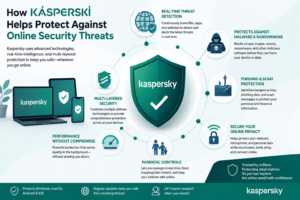
You can also install a strong antivirus program on your system. A reliable antivirus can help protect your device 24/7 and may automatically block or remove harmful links and malicious files.
In addition, never open suspicious emails, especially messages that are automatically moved to the spam folder. Many phishing emails contain harmful links created by hackers to steal your personal information or infect your system with malware.
Also Read- Droven io Cybersecurity Updates: 2026 Comprehensive Guide
Expert Tips for Keeping Your System Safe
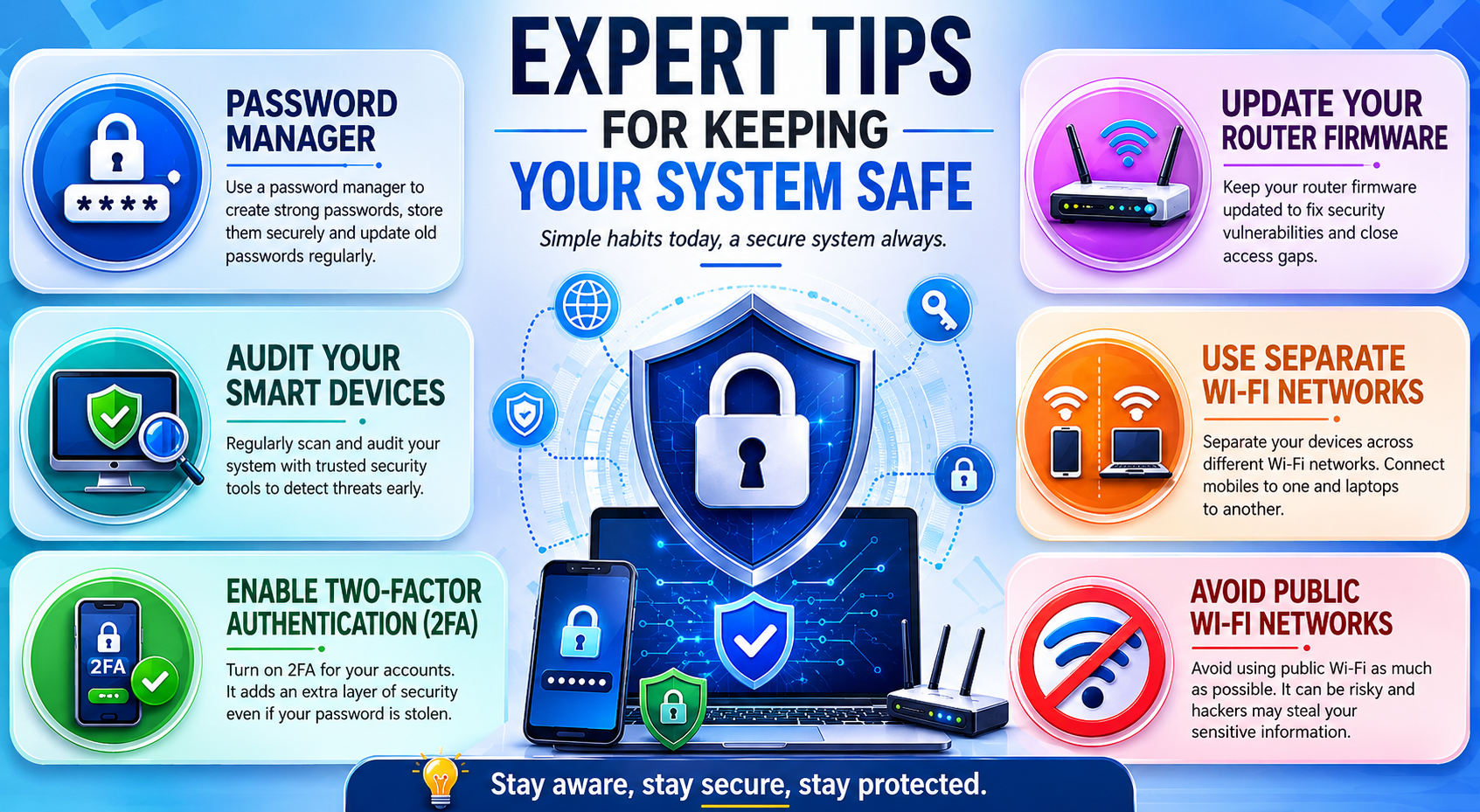
I have done a lot of research on this topic. After reading insights from many cybersecurity experts, I want to share some useful tips that can help you keep your system secure and protected from cyber threats.
Password Manager
A password manager also allows you to use different passwords for different accounts without needing to memorize all of them. It helps you create strong passwords and reminds you to update old passwords.
Audit Your Smart Devices
You should regularly check and audit your devices. There are many security tools available that can scan your system for harmful viruses. Regular system scans can help detect threats before they cause serious damage.
Enable Two-Factor Authentication (2FA)
Always protect your accounts with two-factor authentication (2FA). It double protect you account. Even if hackers somehow get your password, it becomes much harder for them to access your account without the second verification step.
Update Your Router Firmware
You should keep your router firmware updated at all times. Older firmware versions often contain security vulnerabilities that hackers can exploit to gain access to your network. Regular updates help close those security gaps.
Use Separate Wi-Fi Networks
Try to separate your devices across different Wi-Fi networks whenever possible. You can connect mobile devices to one wi fi network and laptops to another.
I suggest you avoid using public Wi-Fi networks because they can be risky. Hackers sometimes use unsecured public Wi-Fi to intercept data and steal sensitive information.
Conclusion
As technology continues to grow rapidly, hackers are also becoming more advanced and active in their cyber activities. “TheJavaSea.me Leaks AIO-416” is an example of a cybersecurity-related issue that has affected many people online.
Basically, AIO refers to groups of hackers or networks of websites that work together to collect stolen data from different sources and compile it in one place. This stolen information is later sold illegally or used against individuals for cybercrime and other harmful purposes.
That is why it is very important to have awareness about these kinds of cyber threats. Along with proper knowledge, taking preventive security measures can help you stay protected from hackers and data leaks.
In this article, I have explained in detail how these cyber threats work and how you can protect yourself from data theft and online hacking attempts.
Frequently Asked Questions
-
Does leaked data always stay online?
Yes, in many cases leaked data continues to spread from one database or leak archive to another. Hackers often sell this stolen information illegally and make money from it. Later, the same data may continue to be used against victims for fraud, scams, or cyber attacks.
-
How do hackers usually send harmful files to users?
Hackers often send harmful files through ZIP attachments, fake download links, or phishing emails. You may have noticed emails containing ZIP files or suspicious attachments. Once these files are opened, they can infect or hack your system because they may contain malicious links or malware created by hackers. That is why you should never open emails or attachments sent by unknown people.
-
Can small businesses also become targets of hackers?
Yes, absolutely. Hackers try to collect all kinds of valuable data, and small businesses also store important customer and business information. Cybercriminals may hack these businesses and later add the stolen data to large AIO leak collections.
-
What are the warning signs that an account may be compromised?
There can be several warning signs that your account is under attack or already compromised. One common sign is unusual or unknown login activity. Hackers often attempt multiple logins to gain access to accounts. You should stay alert if you notice suspicious login notifications or unexpected account activity.
In some cases, strangers may send promotional emails or fake discount offers. These messages can also come from hackers trying to steal personal information, so you should always be careful with suspicious emails and links.
-
Why is it important to keep software updated?
You should always keep your apps and software updated because companies regularly release security updates to fix vulnerabilities and improve cybersecurity protection. If you continue using outdated software, your system may miss important security patches, making it easier for hackers to exploit weaknesses and steal data.